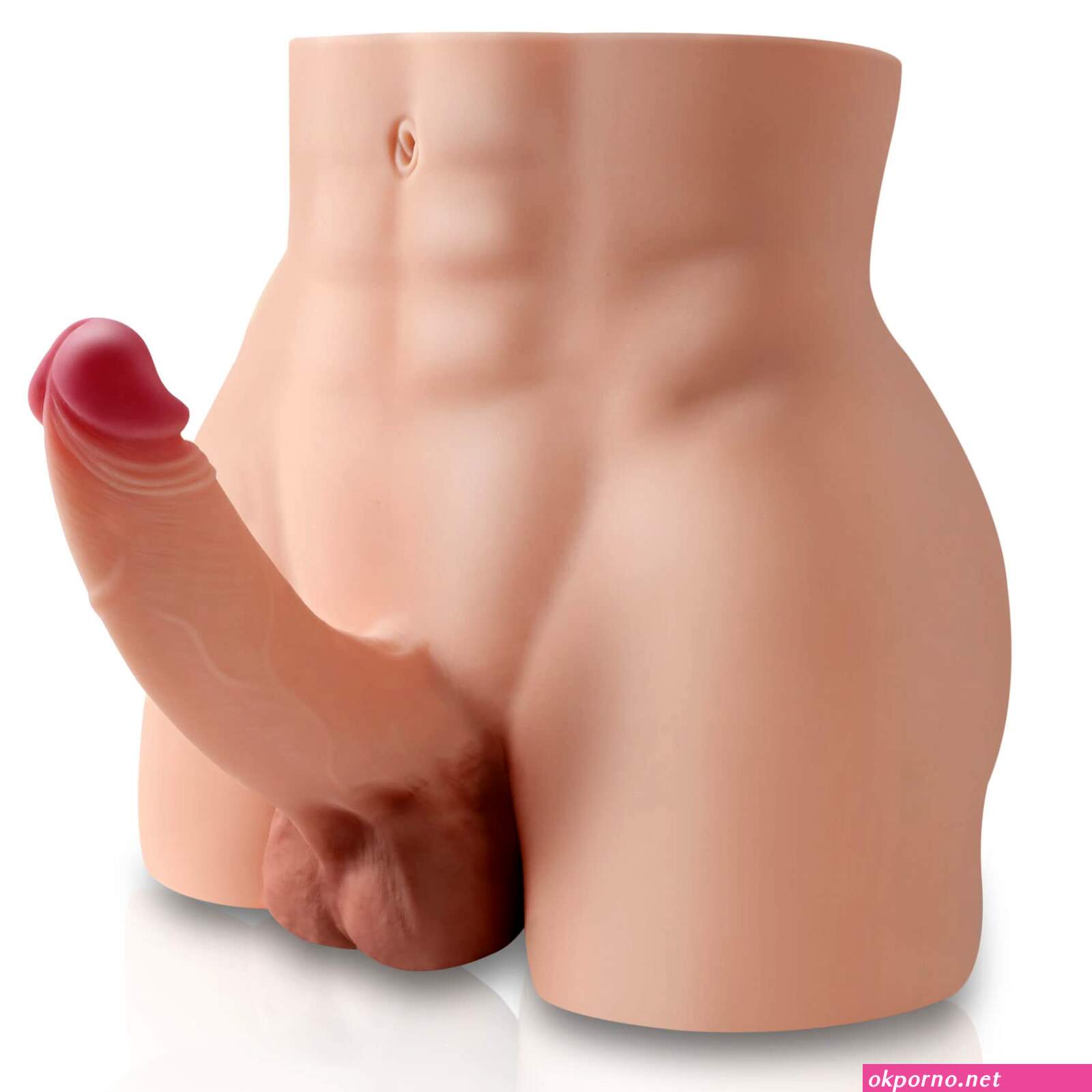
Gallery


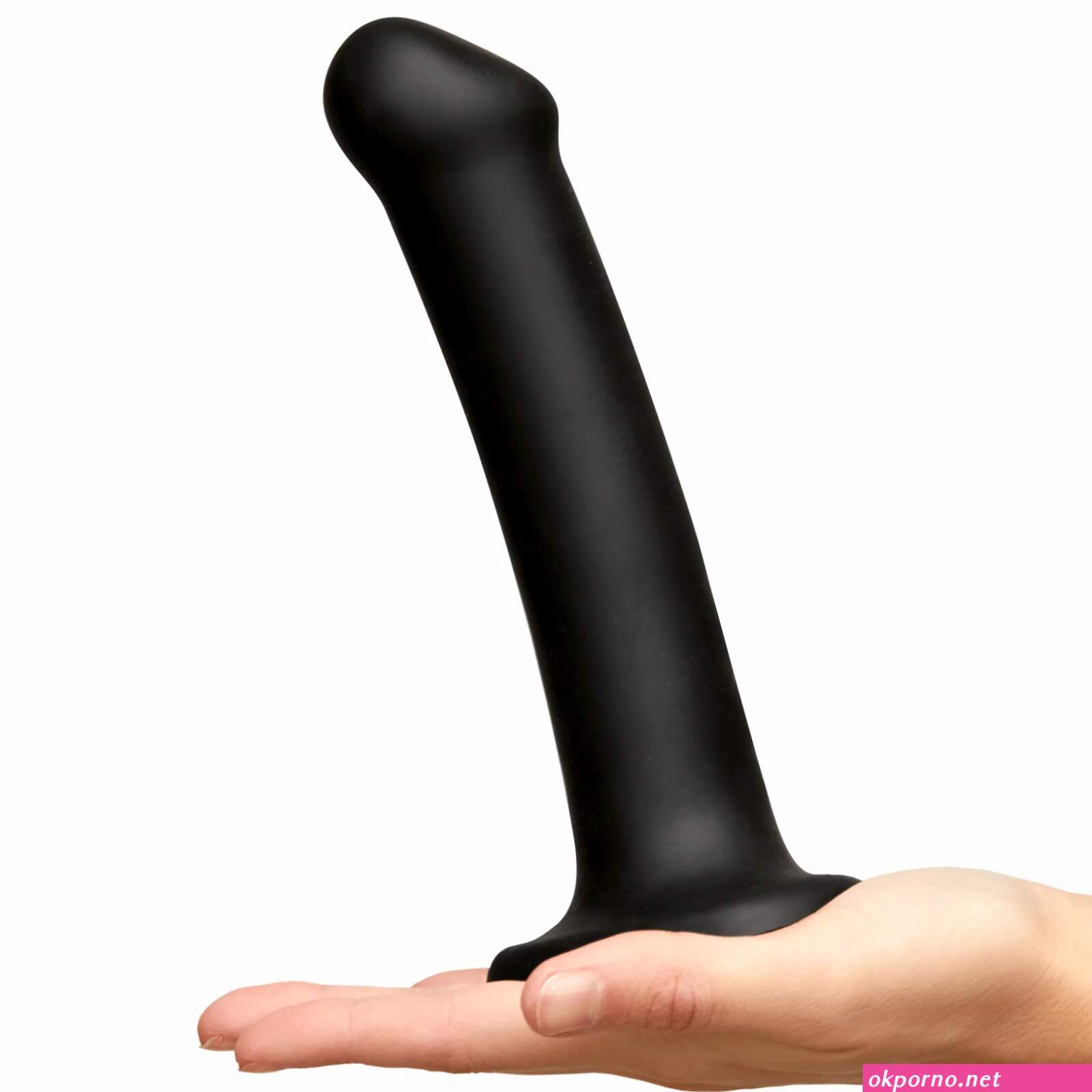






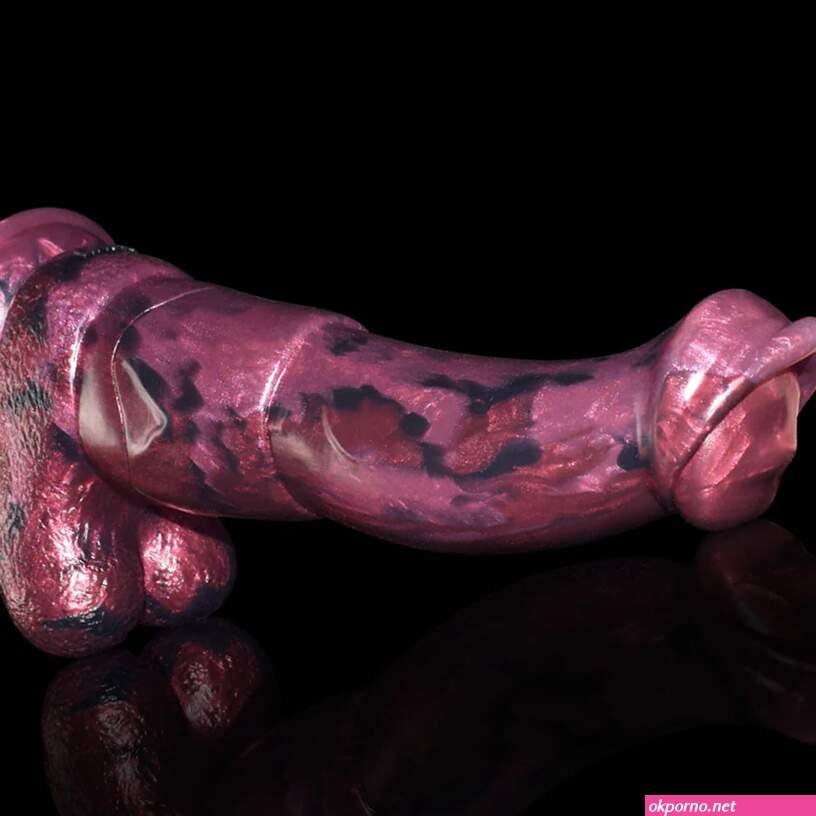

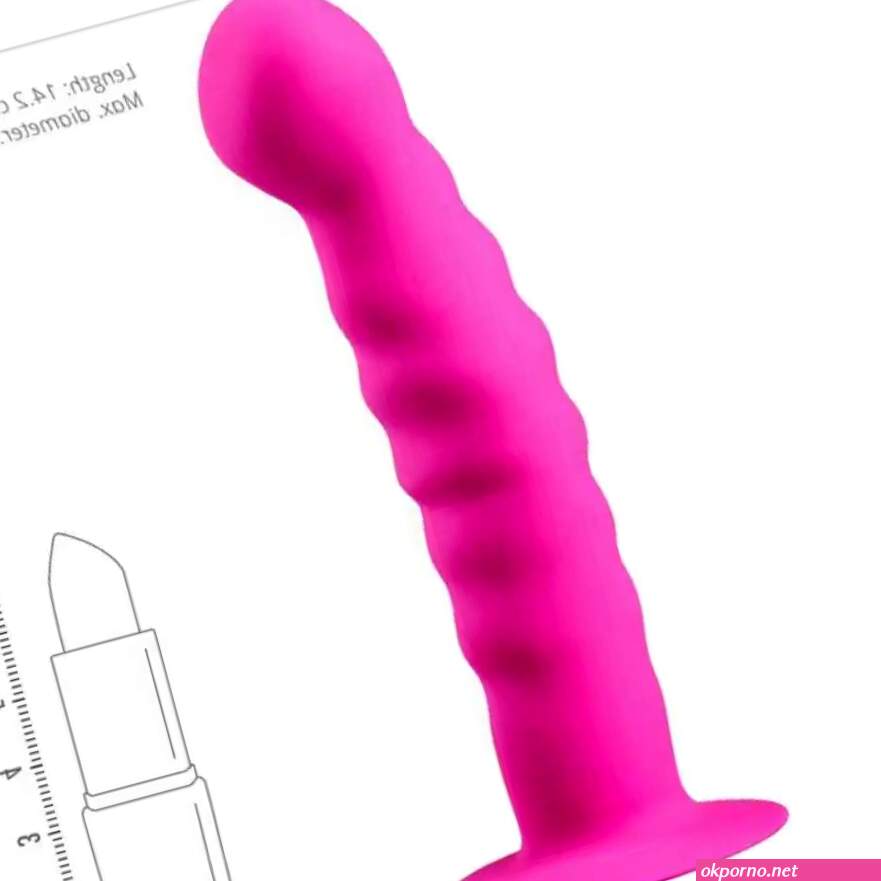
According to the , one of the word’s first appearances in English was in ‘s (), in the sentence “Curse Eunuke dilldo, senceless, counterfet, | Who sooth maie fill, but neuer can begett” (‘curse dildo, that eunuch, lacking feelings, and counterfeit, who can certainly fill [a vagina], but can never beget [children]’).
An () is a classical term for a dildo, from (), originally a dildo that was usually made of leather. In , the word refers to a dildo in the shape of a penis with scrotum.
Dildos may be seen in some examples of . Some pieces show their use in group sex or in solitary female masturbation. One vessel, of about the sixth century BCE, depicts a scene in which a woman bends over to perform on a man, while another man is about to thrust a dildo into her .
‘ short comic play, , written in the 3rd century BCE, is about a woman called Metro, anxious to discover from a friend where she recently acquired a dildo.
Page duBois, a classicist and feminist theorist, suggests that dildos were present in Greek art because the ancient Greek male imagination found it difficult to conceive of sex taking place without penetration. Therefore, female masturbation or sex between women required an artificial phallus to be used. Greek dildos were often made out of leather stuffed with wool in order to give it varying degrees of thickness and firmness. They were often lubricated with olive oil, and used for sexual practice and other activities. The Greeks were also one of the first groups to use the term “toy” in reference to a dildo.