Gallery
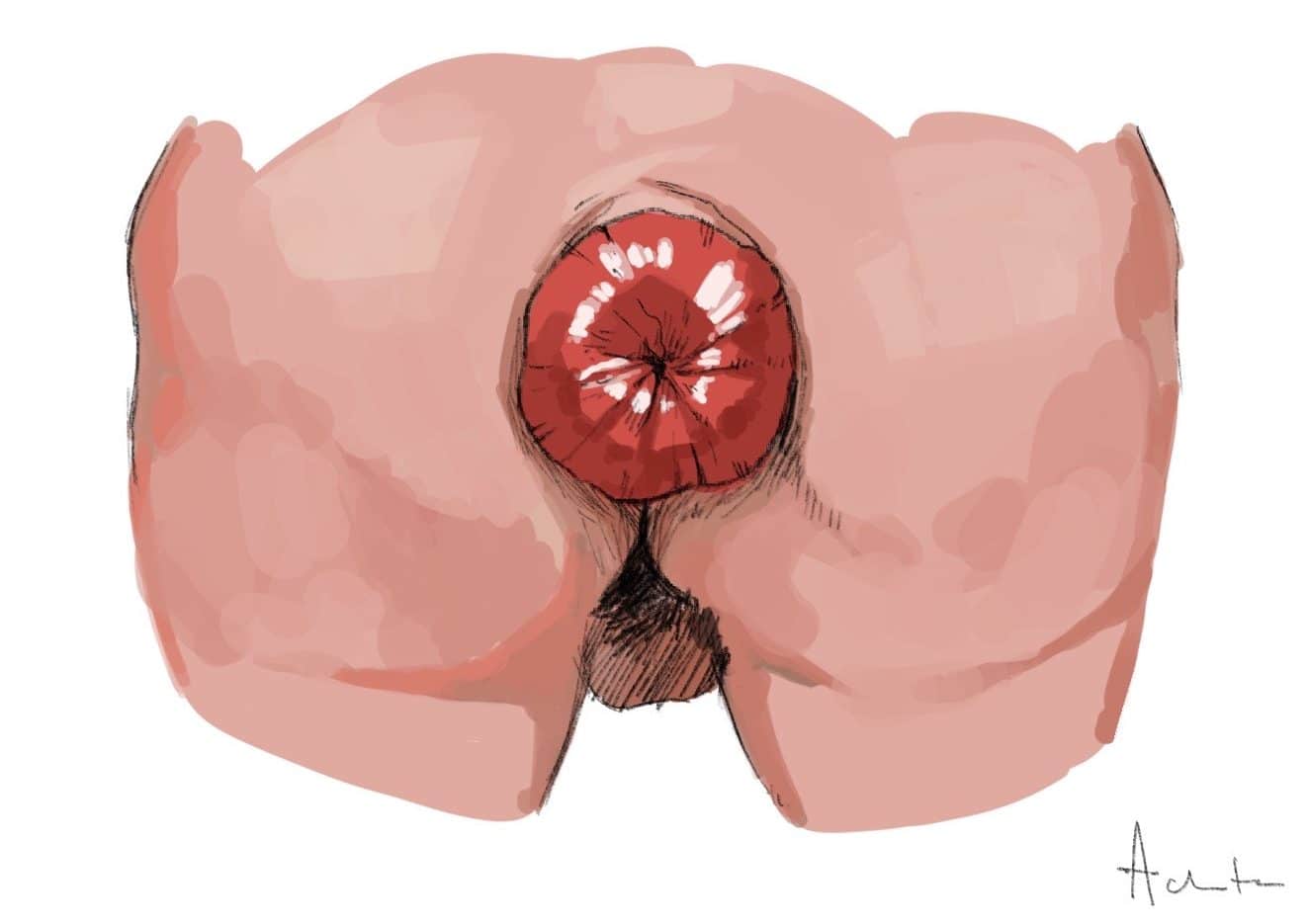
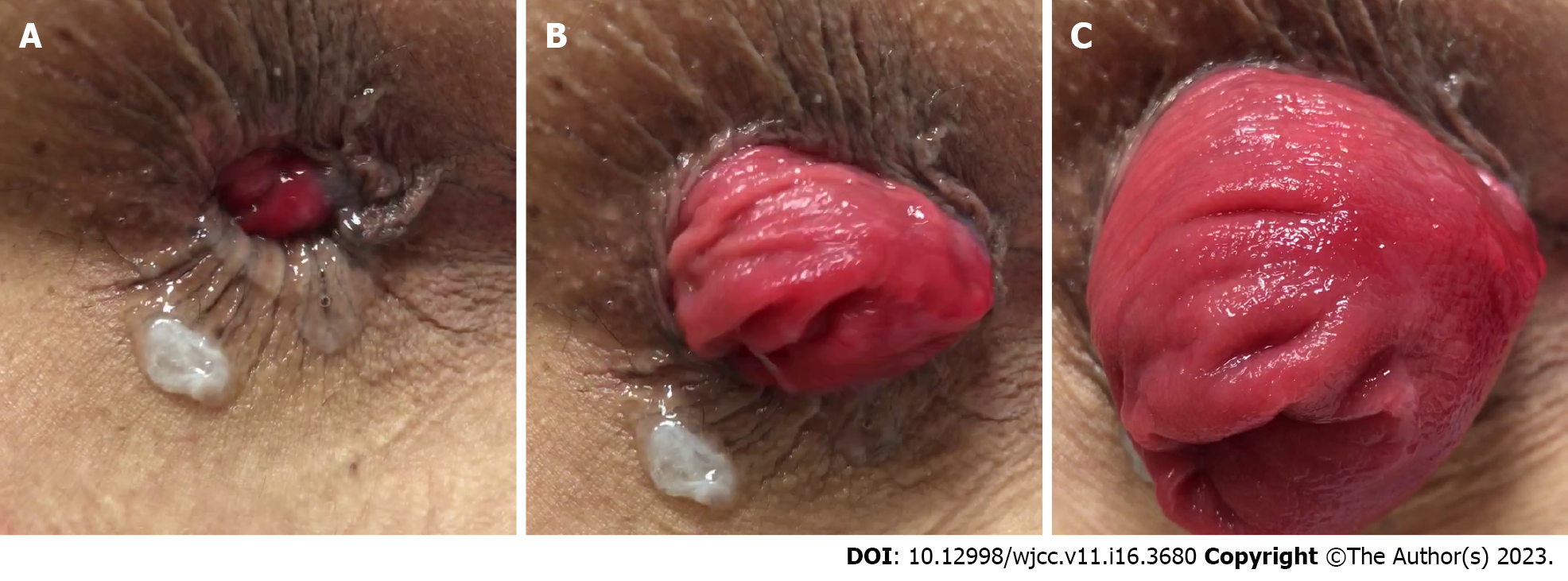
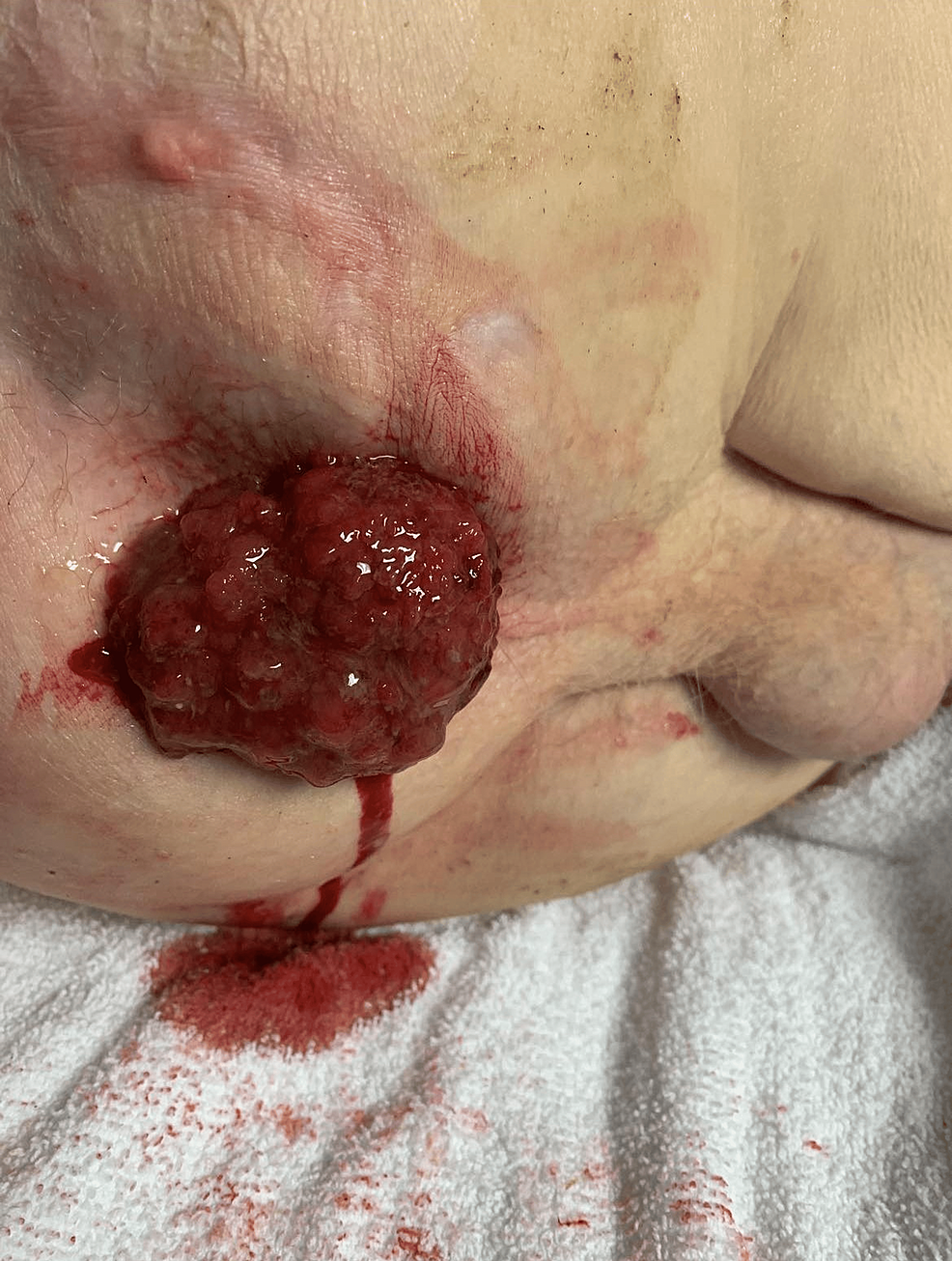
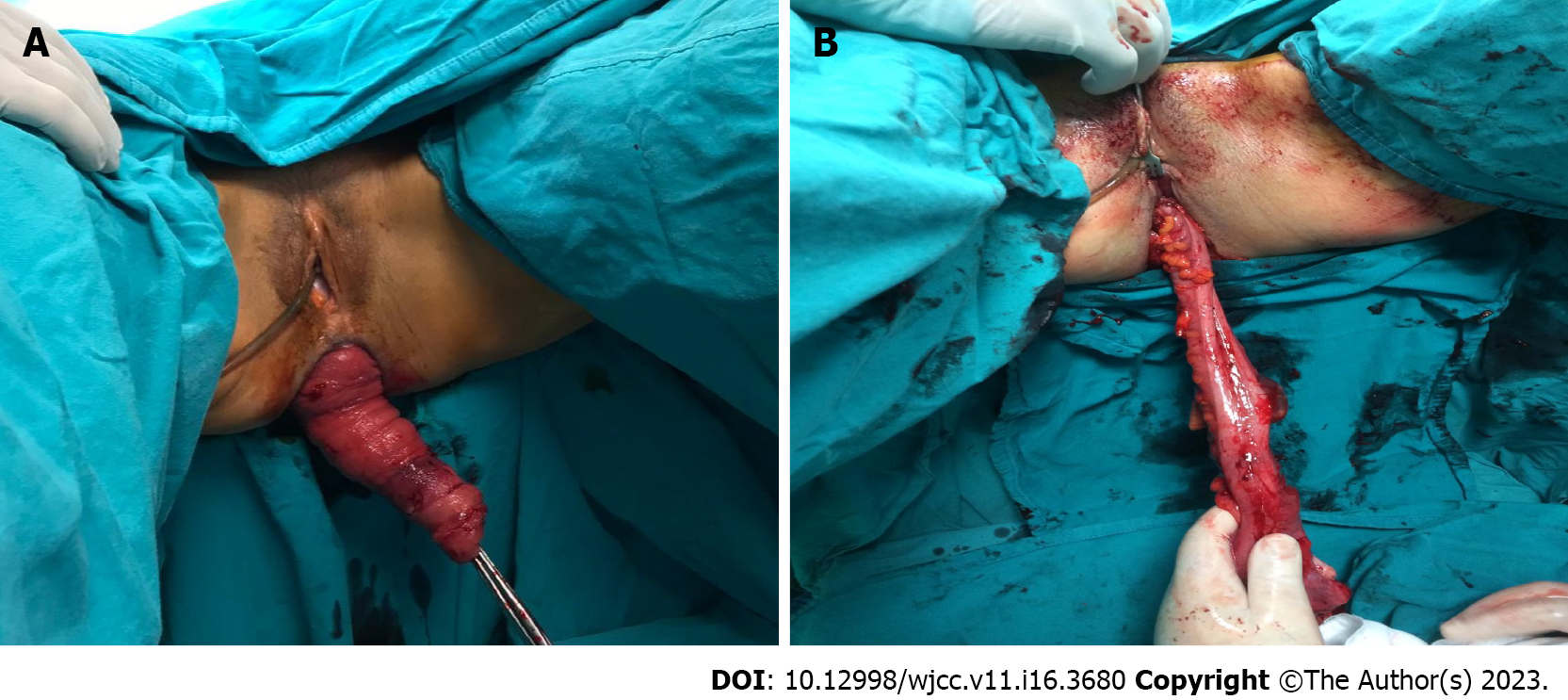
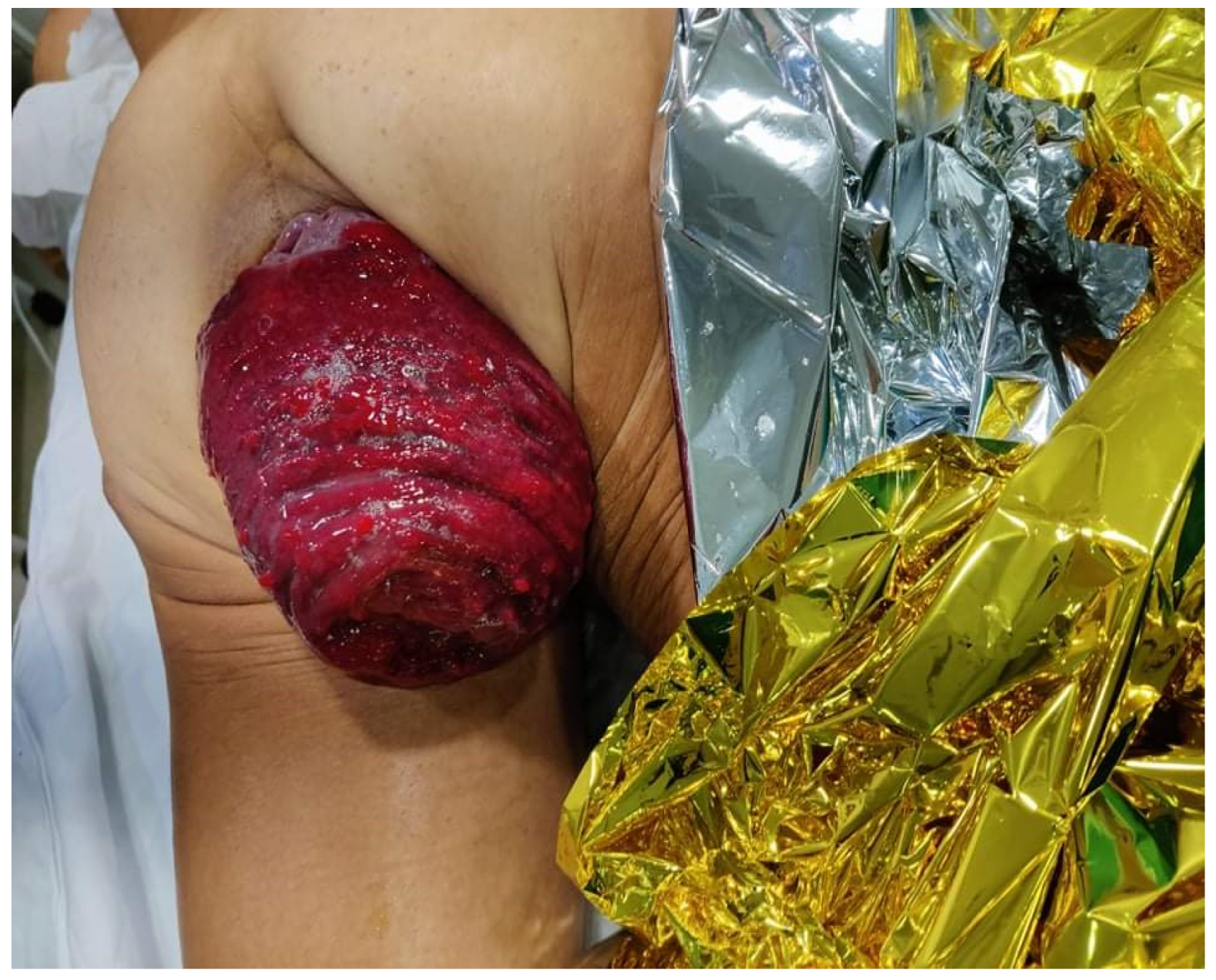
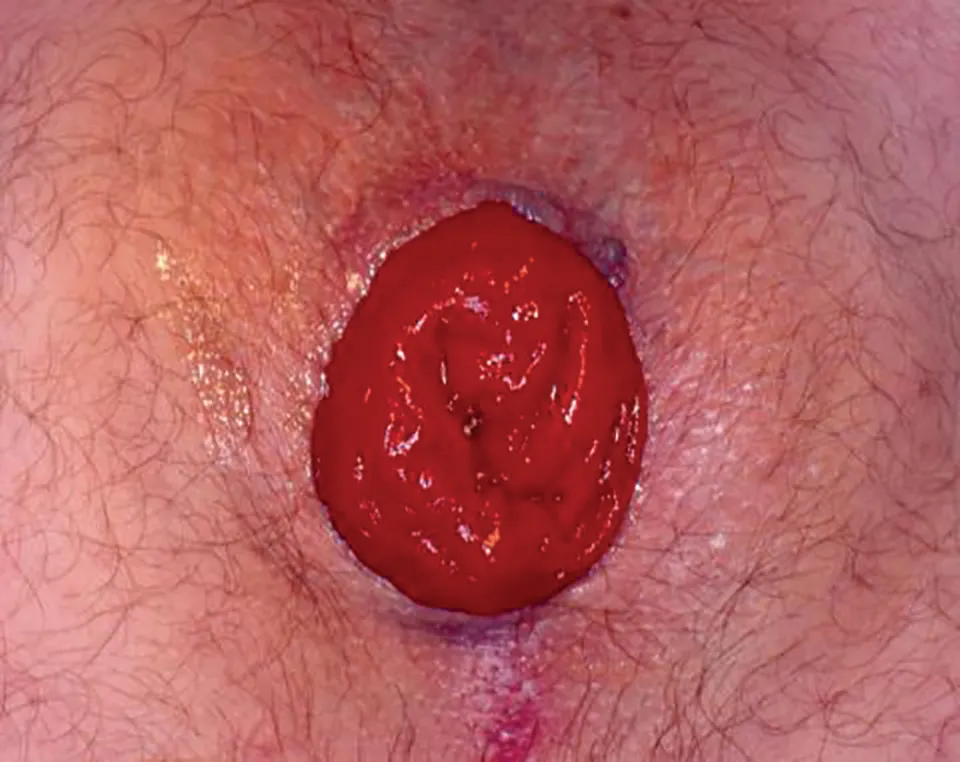
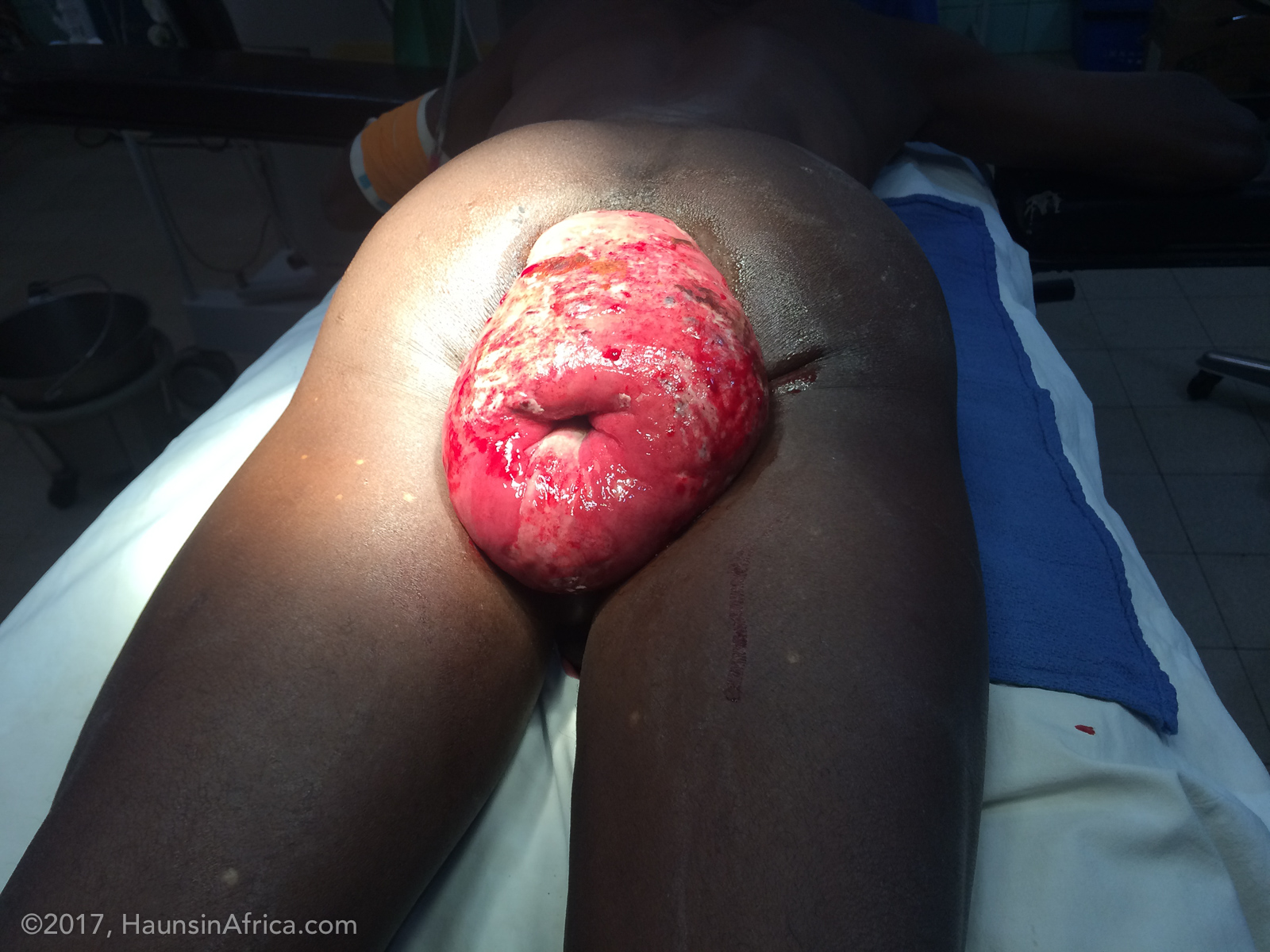
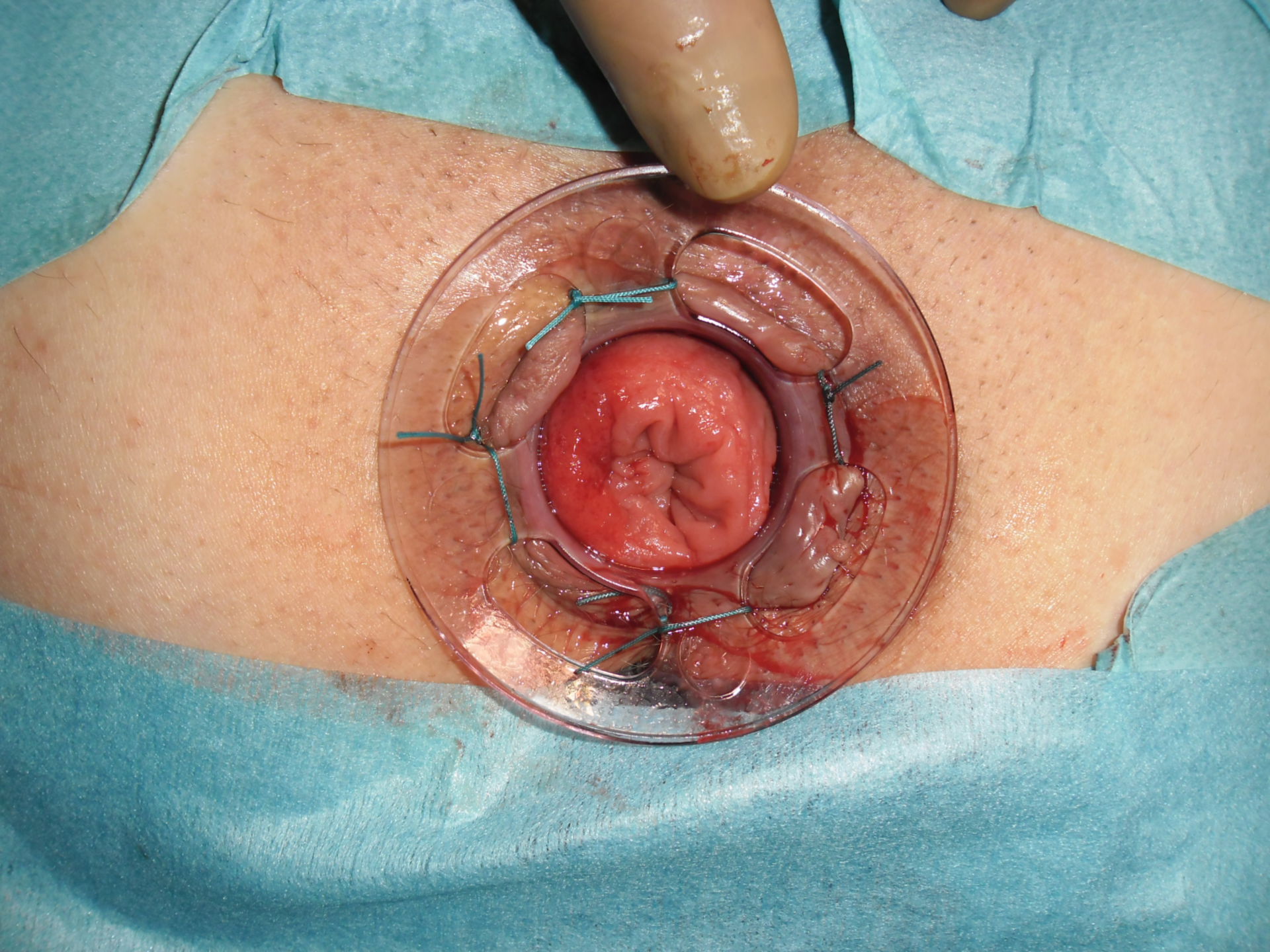
Your is the last segment of your before your anus. This is where poop prepares to exit your body. When poop arrives in your rectum, it triggers the urge to defecate (poop), and a network of muscles pushes the poop out through your . But when rectal prolapse occurs, the rectum itself travels with it, slipping down telescope-style into the anal canal — and sometimes out the other side.
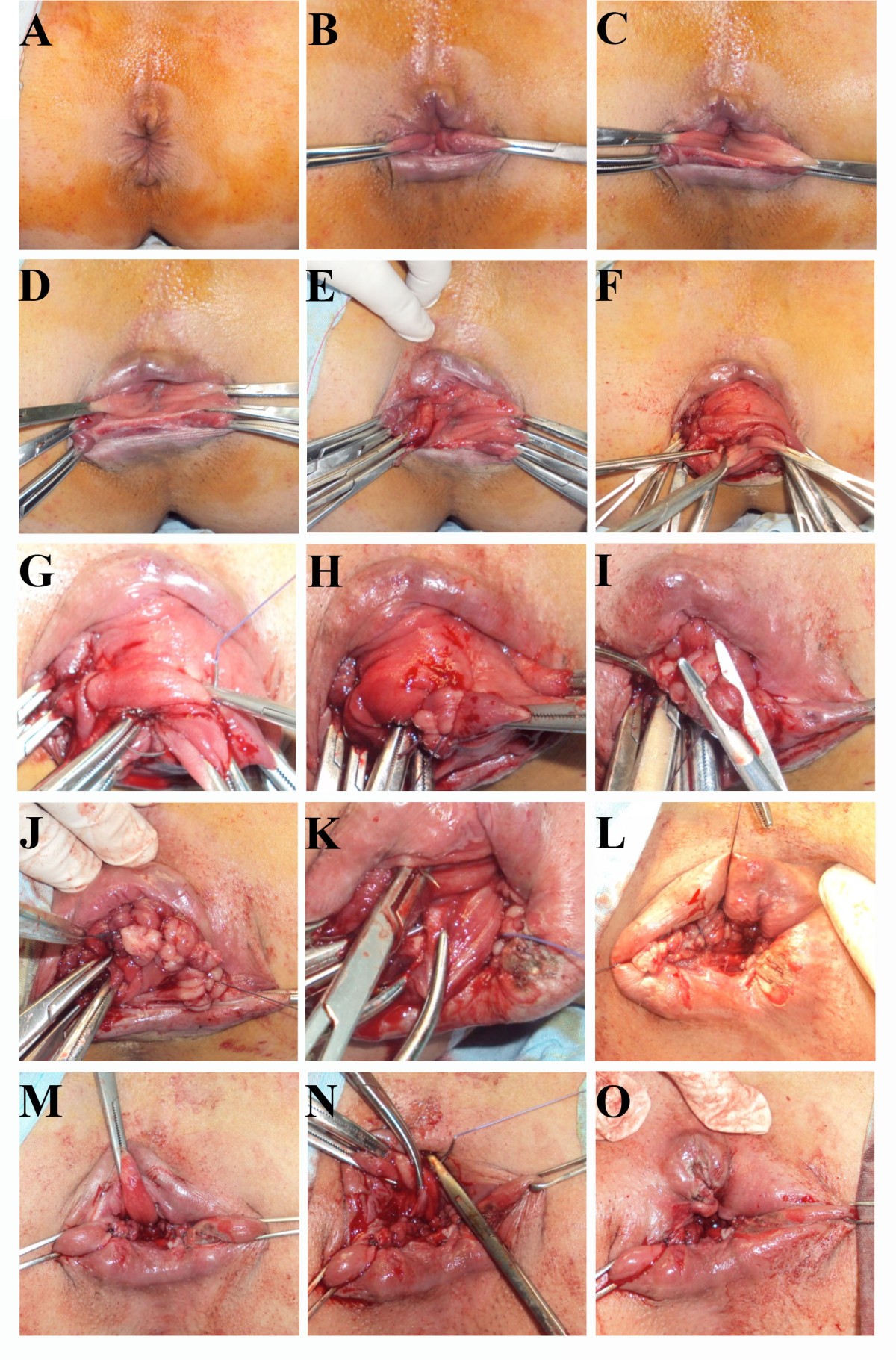
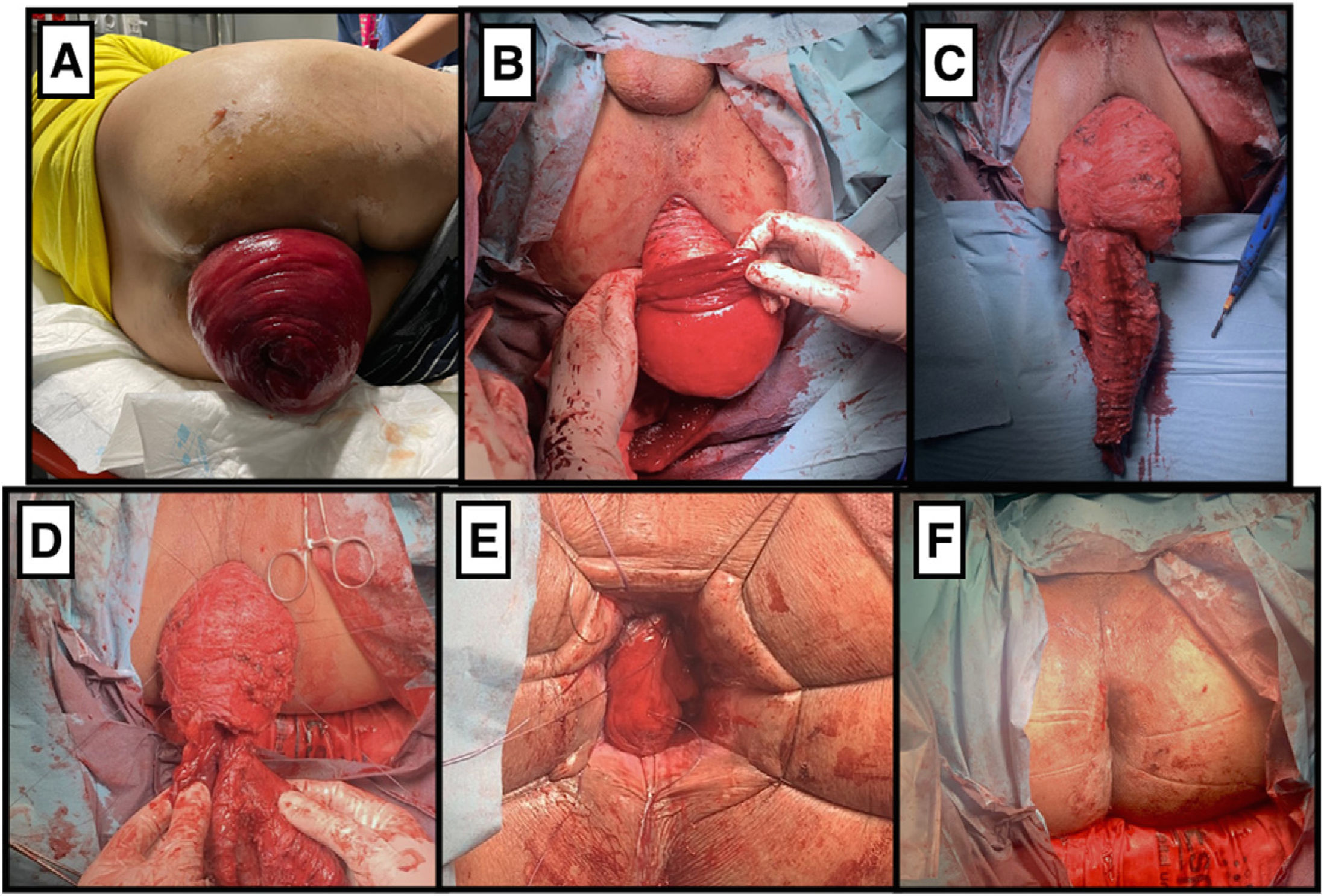
Delorme procedure. If you only have a mucosal prolapse, or a small external prolapse, your surgeon may choose a more minor procedure. The Delorme procedure only removes the prolapsed mucosal lining of your rectum. Your surgeon then folds back the muscle wall of the rectum onto itself and stitches it together inside your anal canal. The double muscle wall helps to reinforce the rectum.
Complications specific to the Delorme procedure included bleeding, leakage of the sewn connection, and narrowing of the anal opening (stricture). Prolapse can return in up to 26% of patients, and is generally felt to be higher than with perineal rectosigmoidectomy.
*Internal intussusception is the prolapse of the rectum into the distal rectum or anal canal but without its protrusion outside of the anus
On examination, the prolapse may not always be evident, but can be identified by asking the patient to strain. A digital rectal examination should be performed, often on which a weakened anal sphincter is identified.