
Gallery







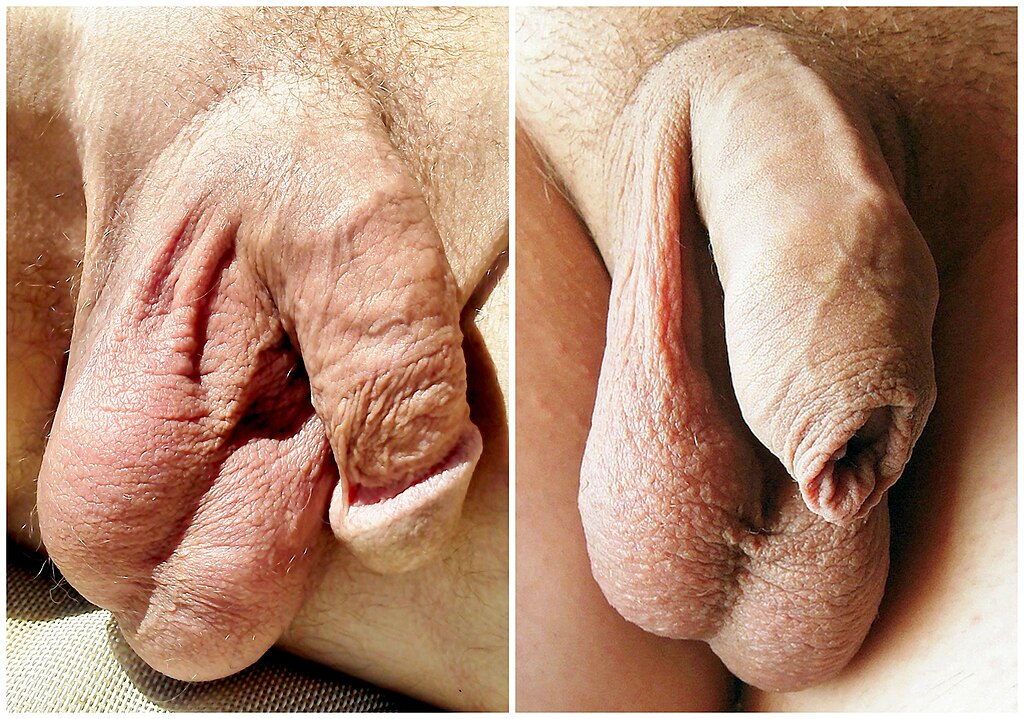




When you’re making decisions about circumcision, you can trust evidence published by official medical bodies, like the Royal Australasian College of Physicians (RACP) or the Urological Society of Australia and New Zealand (USANZ). It’s sensible to treat other information with caution.
For centuries, Jewish boys have regularly been circumcised when they are eight days old (). An unusual challenge to circumcision developed, however, in the Hellenistic period (after about 133 B.C.E.). Hellenistic and Roman societies widely practiced public nakedness. But they abhorred baring the tip of the penis, called the glans. To expose the glans was considered vulgarly humorous, indecent or both. This combination of attitudes could be—and often was—devastating for circumcised Jews. Enjoying oneself in a Greek or Roman bath, where nudity was , was a popular and stylish pastime. Here politics was discussed and business deals concluded. Athletic contests and exhibitions were also conducted in the nude. Participation in athletics was often a prerequisite for social advancement. Yet a circumcised penis effectively precluded this participation.
The New Testament reveals bitter conflicts over circumcision among the followers of Jesus, conflicts expressed also in attitudes toward epispasm practiced by Jews. Paul, who thinks circumcision useless, nevertheless forbids epispasm: “Was any one at the time of his call already circumcised? Let him not seek to remove the marks of circumcision,” he advises the Corinthians ().
Paul enters the fray accepting the arguments of the circumcision party. Paul agrees that the world has been divided into two spheres, the sphere of the circumcised where God has acted, and the sphere of the uncircumcised “gentile sinners” where demons rule (cf. ). But for Paul the world where this distinction rightly applies is passing away: “[Christ] gave himself for our sins to deliver us from this present evil world according to the will of God the Father” (Galatians ). Distinctions between circumcised and uncircumcised, proper to the old world, do not apply in the new. Since in Christ Christians are leaving the old world, circumcision has no relevance for them: “But far be it from me to glory except in the cross of our Lord Jesus Christ, by which the world has been crucified to me and I to the world. For neither circumcision counts for anything nor uncircumcision, but a new creation” ().
Luke also begins by accepting circumcision: he carefully depicts the circumcision of both John the Baptist and Jesus (, ). But after the resurrection Jesus reveals a new plan of God to a very puzzled group of disciples (), a new plan that, includes gentiles (). In Acts, Luke works out the consequences of this plan and chronicles the revelation to the disciples that under the new plan gentiles do not require circumcision (chapter ).