Gallery
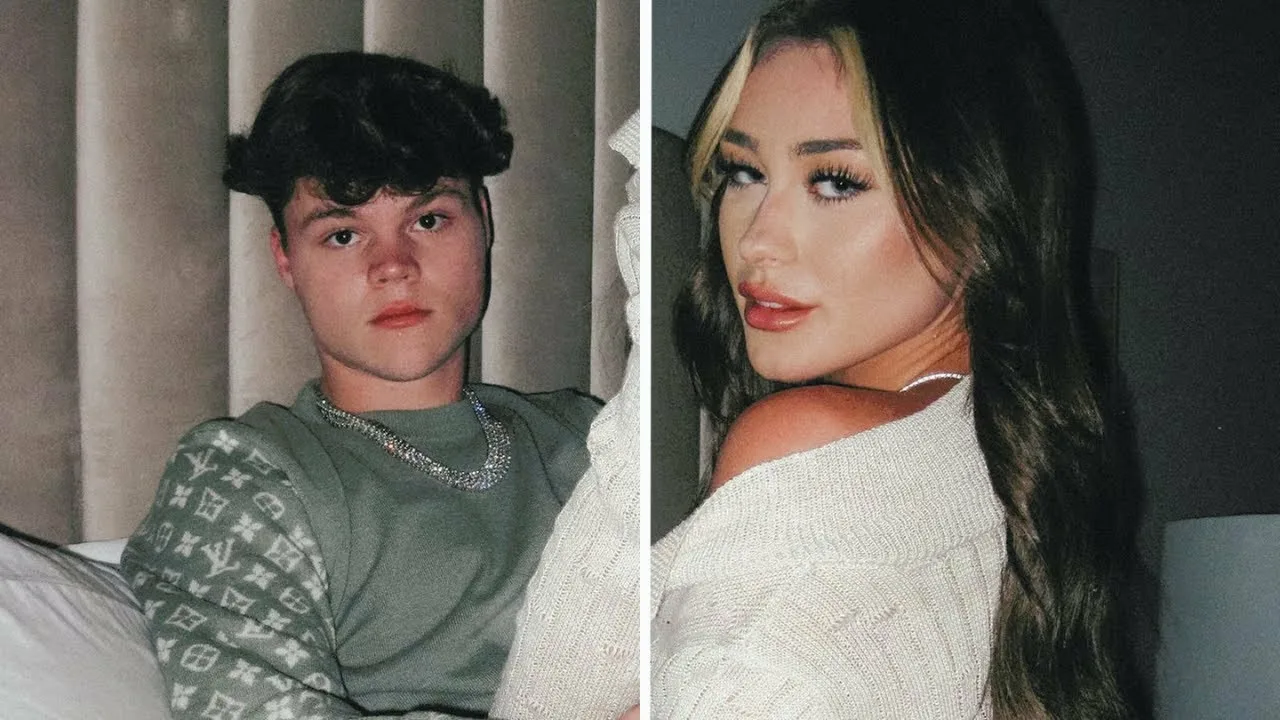

McKinley Richardson’s leaks shook the entire online world, increasing concern over online security issues, content-interesting ethics, and rights among digital creators. The breach in subscription-based platforms was given a glaring example by the unauthorized leaking of exclusive content belonging to an account on OnlyFans, mid-2024.
The leaks about McKinley Richardson were an intrusion into private space and also an igniting torchlight for the discussion of ethical responsibilities that must be taken by all internet users—and in addition, content-sharing platforms. That is stronger security, legal protection, and digital literacy, needed against private material loss in completely unauthorized diffusion.
The very reminder about the inconvenience of the influencers or content creators for living the cyber life. As that number grows sharper, so do such problems as privacy and intellectual property, crucial for digital revenue sources like OnlyFans. More debates about the McKinley Richardson leaks stressed better enforcement of digital rights, better security, and a unified effort toward ethical online behavior.
With a quickly increasing fan base, tolerant of what McKinley Richardson offers on the platform. The place would sell premium content that is now exclusive to subscribers, making a great difference to her brand and income. Sadly, like many other digital creators, she became susceptible to leaked content, the McKinley Richardson leaks incident. Loophole not only exposed her privacy issues but also brought controversial perspectives to online security and content ownership.
Dissemination of the McKinley Richardson leaks, though, possesses legal and ethical implications towards digital content creators throughout the world. From a legal perspective, the act of making private materials public without permission is a contravention of intellectual property rights and privacy laws, thus exposing people behind leaking and sharing such material to lawsuits and criminal prosecutions.